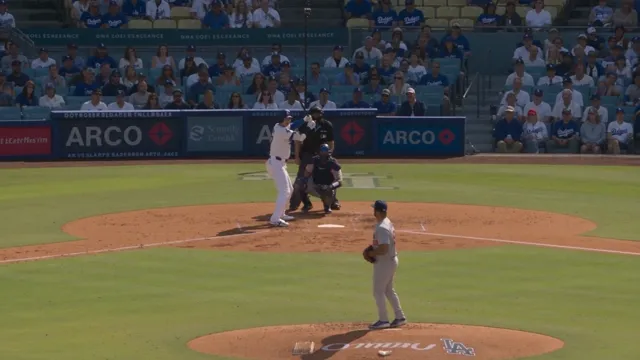
Home run at Dodger Stadium: Blender blockout → Seedance 2.5
A real-scale stadium and 4 cameras built in Blender through the Mira MCP, 10 s in Seedance 2.5 from the playblast, upscaled to 1440p.
Made with: seedance-2-5, Topaz, Mira for Blender, Claude, Mira MCP, Blender, After Effects
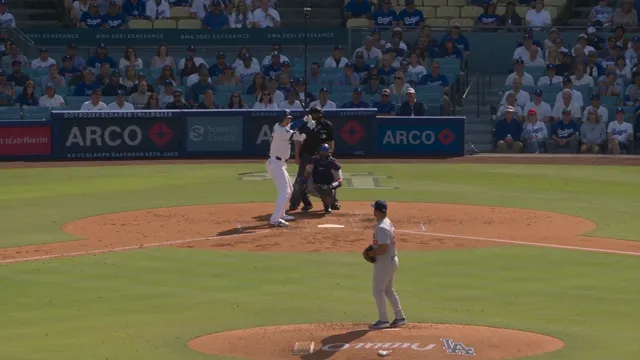
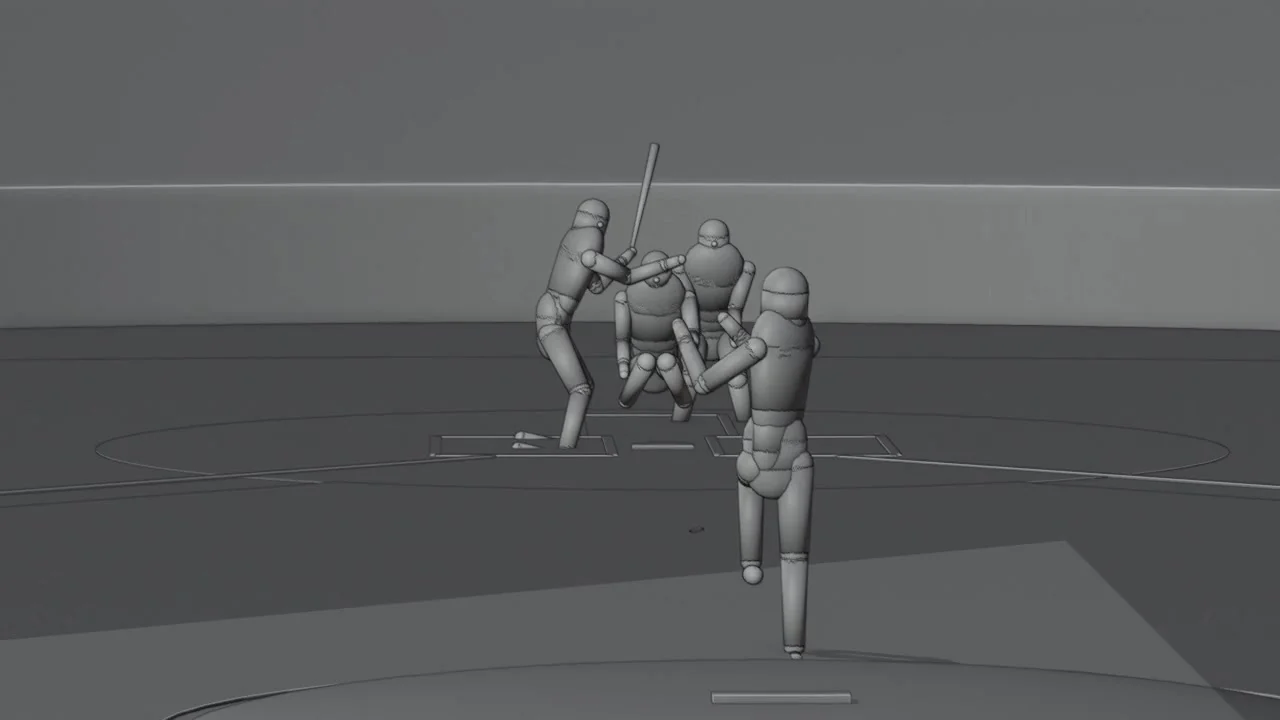
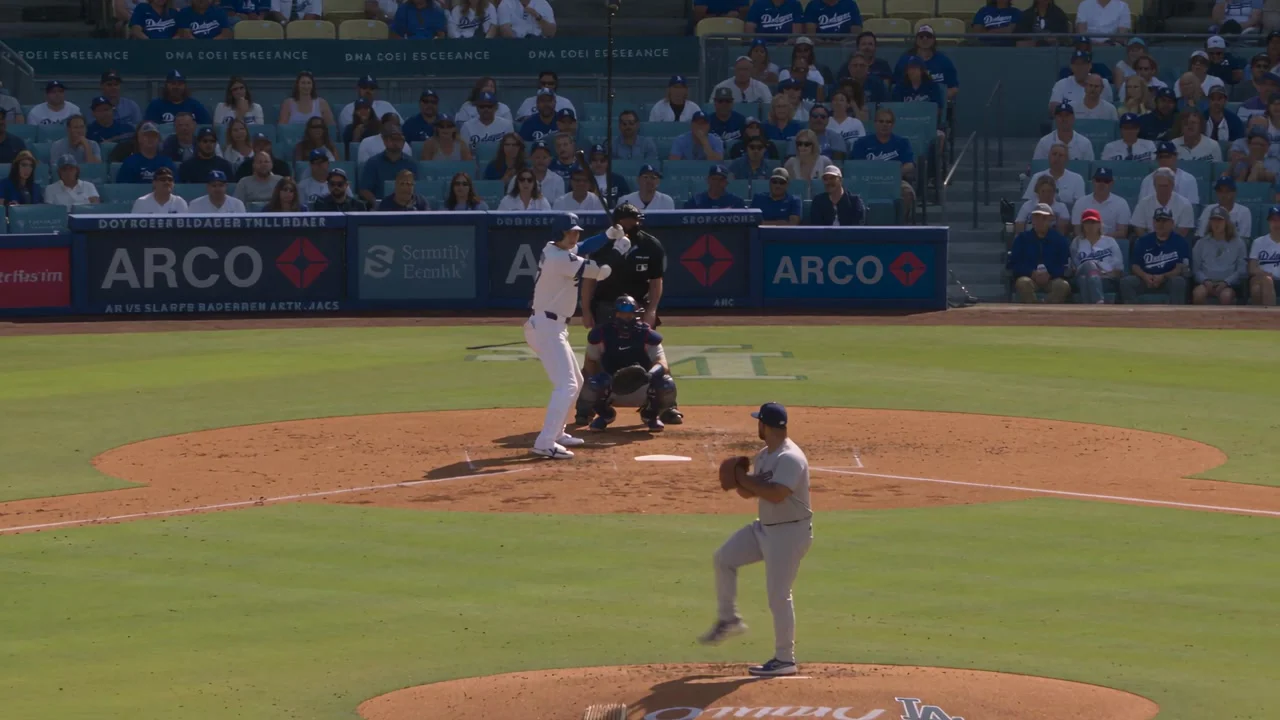
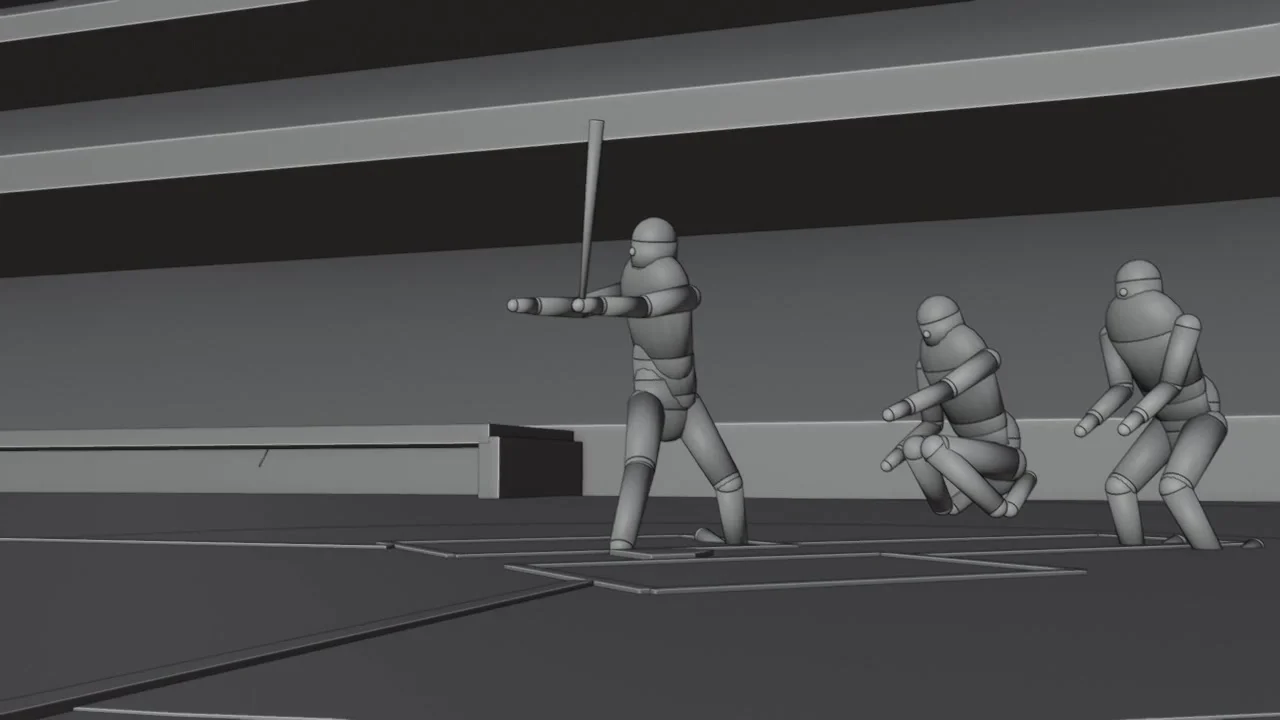
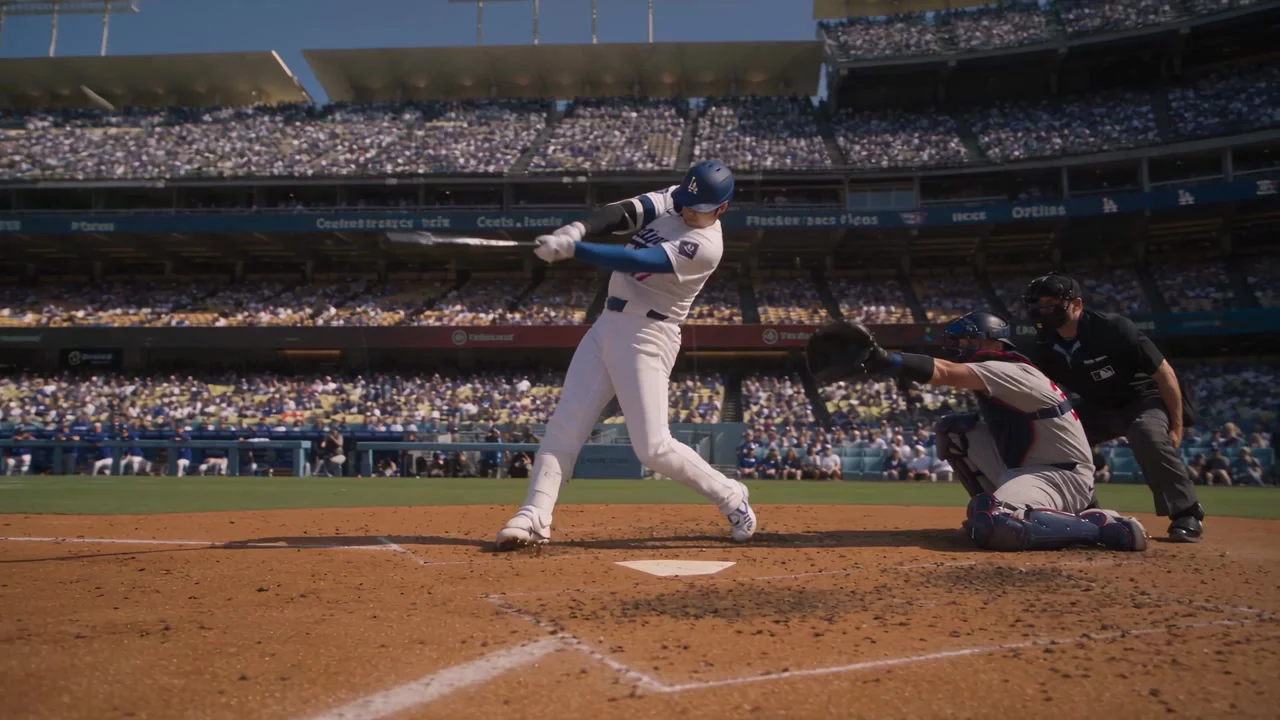
The idea is simple: the blockout decides the camera and the timing, the prompt decides the world. Grey boxes in Blender set where the camera stands, where it moves and where the cuts are. Seedance 2.5 reads that playblast and paints in the crowd, the light, the uniforms and the swing.
Blockout → final


What you need
- Claude with the Mira MCP connected
- Blender with the Mira for Blender add-on ("Connect agents" on)
- After Effects, optional, for the grade and the music
Steps
- A stadium at real scale
Ask Claude to block out the stadium with primitives: 330 ft down the lines, 375 in the alleys, 395 in center, an 8 ft wall, 55 ft to the backstop. Five decks, pavilions with zig-zag roofs, hexagonal scoreboards. All in grey clay, no crowd, no small props.
- Players as stand-ins
Batter, pitcher, catcher and umpire are simple figures in their spots. They only set positions and size in frame; who they are and how they look is the prompt's job.
- Four cameras and the cuts
Broadcast angle from center field (a long-lens push) → a camera riding with the ball → a low camera on the slow-mo swing → a crane up following the ball. Cuts at 2.0, 3.7 and 6.5 s.
- Playblast
Render a 16:9 viewport playblast. Seedance 2.5 takes 5/10/15/30 s, so an 11 s playblast gets trimmed to 10.
- Render in Seedance 2.5
The playblast goes in as the @Video1 reference: the prompt tells the model to follow its camera path, framing and 3 cuts, and describes the stands, the light and the players in words. The full recipe is attached to the video above.
- Upscale and finish
The gallery upscale (27 credits) gave 2560×1440. Then After Effects: a grade per shot, and the bat hit on the strong beat of the track.